
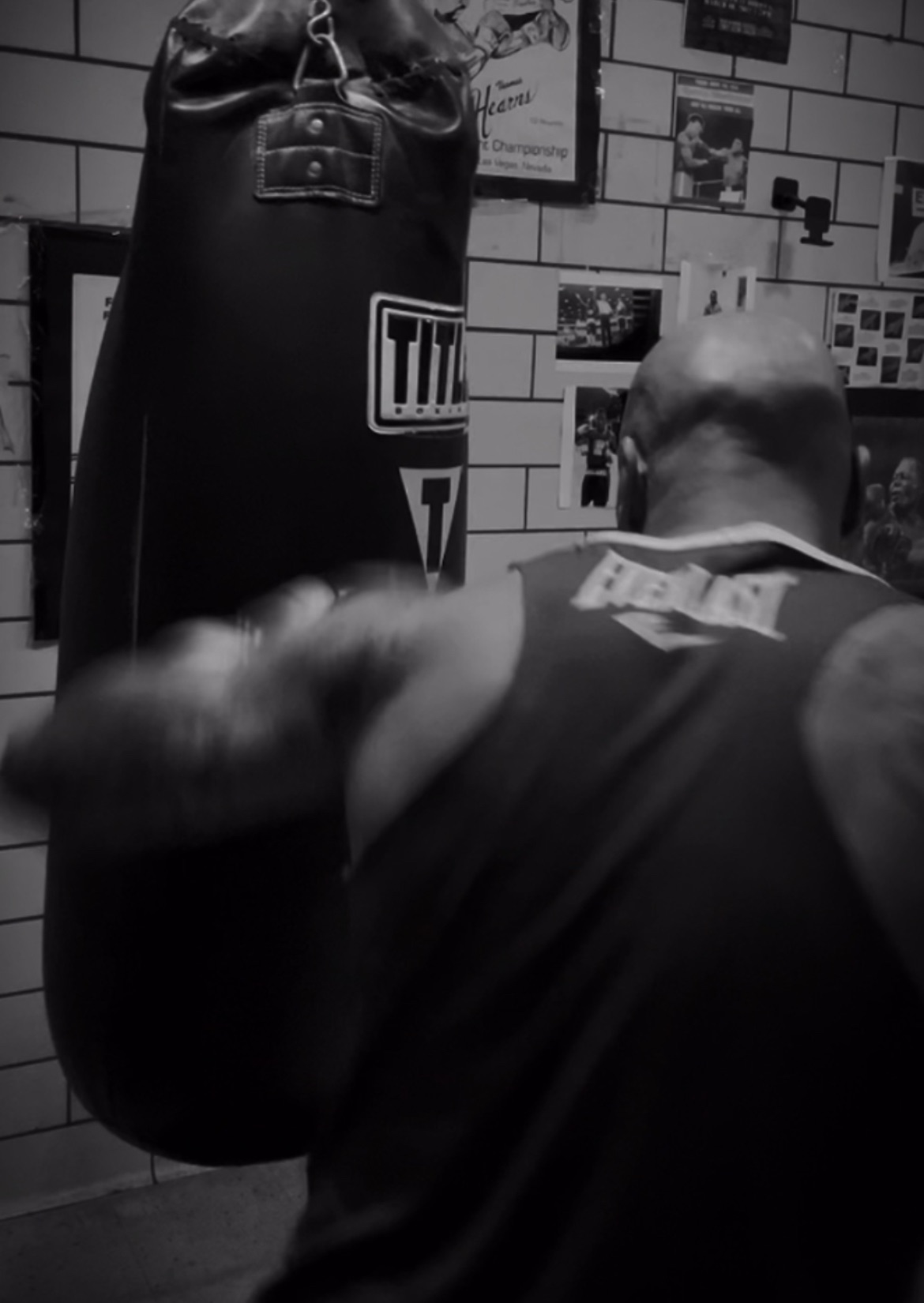
“Manipulating your opponent and his movements giving you an opportunity to strike at an anticipated target. If I know where my opponent will be or anticipate his movement, give me an opportunity to capitalize. If I can manipulate the opponent to do what I want him to do, I’m at the advantage.”- Coach Scott Neal
The core idea is to control, deceive, and influence your opponent’s movement so you can predict where they’ll be and land your strike with optimal power and precision. This requires a blend of footwork, distance management, feints, off‑balance cues, and ring IQ. Below are practical drills, progressive exercises, and two concrete examples to illustrate how to apply this strategy in sparring or competition.
Core Principles
Punch with intent after influence:** Use manipulation cues to draw the opponent into a position where your punch is most effective.
Feints and misdirection:** Subtle movements that provoke a reaction, revealing their preferred responses.
Distance and timing control:** Control the space to make their next move predictable.
Body language and rhythm:** Your own movement patterns can cue or miscue your opponent.
Safety and control:** Practice with controlled intensity to develop sensitivity without injuring partners.
Practical Drills & Exercises
1) Feinting and Reaction Drill (Lead to Read and Exploit Reactions)
Setup:** Shadowbox or work with a partner in a controlled space.
Drill:**
The attacker starts with a neutral stance. The defender mirrors or anticipates.
The attacker uses 3–4 feints (head movement, shoulder drop, hand pump, step feint) without committing.
The defender must react to the feints (slip, roll, step, block) and then the attacker lands a light counter or a controlled shot to the target area.
Progression:** Increase tempo and add a live response where the defender’s reaction (slip or guard roll) creates a real opening for a quick counter.
Key focus:** Feints should create a visible, predictable reaction window in the defender’s movement.
2) Distance Leverage Drill (Control Range to Create a Target)
Setup:** Two lines of cones or markers to define imagined opponent positions at different ranges (long, mid, close).
Drill:**
The boxer practices stepping to a preferred range, then using a specific combination that exploits the opponent’s likely response at that range.
For example, step to mid-range, throw a jab, and anticipate the opponent stepping back; counter with a cross as they retreat.
Progression:** Add a simulated “opponent” who reacts to each movement (back up, lean in, circle off) with corresponding openings.
Key focus:** Develop the habit of moving the opponent into a target zone and striking as they meet your intended position.
3) Off-Balance Cueing Drill (Manipulating Balance and Trajectory)
Setup:** One partner (or a coach) acts as the aggressor who applies light pressure and slight off-balance pushes.
Drill:**
The defender uses footwork and head/torso movement to keep balance while reading the pressure.
The aggressor offers a cue (e.g., a slight weight shift to one side). The defender should anticipate and capitalize with a counter (e.g., pivot, slip, and land a precise punch or combination into the new trajectory).
Progression:** Increase the intensity of the cue, or have the aggressor change cues (shoulder tilt, hip drop, step angle).
Key focus:** Read subtle shifts in balance and turn them into offensive opportunities.
4) Chain-Feint to Target Drill (Sequential Manipulation)
Setup:** Shadowbox or punch mitts with a coach.
Drill:**
Start with a simple feint to draw a reaction (e.g., a fake jab).
Follow with a real punch to a different target based on the reaction (e.g., after a defense move, pivot to the exposed body or head).
Add a follow-up depending on the opponent’s next movement.
Progression:** Increase the number of feints before committing to the strike, simulating real-time decision making.
Key focus:** Build the ability to sequence misdirection into a reliable finish.
5) Ring Generalship Drill (Controlled Angles and Dominant Position)
Setup:** A small ring or boxing area marked with zones.
Drill:**
Practice moving to a preferred position (angle) while maintaining balance and guarding.
Use subtle shoulder and hip cues to entice the opponent to move in a predictable way (e.g., stepping to your left to nullify their reach, prompting them to cross into your power hand).
Capitalize with a straight shot or combination when they “commit” to the cue.
Progression:** Implement a timer and require the commander (the offensive boxer) to maintain control for a set window while landing clean strikes.
Key focus:** Control space, not just raw speed.
Two Concrete Examples
Example A: Feinting to Draw a Defensive Slip, Then Counter with a Cross
Situation:** You’re at mid-range against an opponent who often keeps a tight guard and relies on slips.
Action:**
Use a quick jab feint and a shoulder drop to simulate a punch.
The opponent slips to their right (your left).
As they slip, rotate your hips, pivot your rear foot, and snap a hard cross through the angle created by their slip.
Why this works:** The feint triggers their defensive slip. The slip creates a predictable opening along the outside line of their guard, allowing your cross to reach the target with momentum and minimal telegraphing.
Drill cue:** Practice slip-counter combinations after feints with a partner who answers with a controlled slip.
Example B: Angle Creation: Forcing the Opponent to Step, Then Capitalizing
Situation:** Your opponent is comfortable pressuring straight in but struggles when forced to adjust angles.
Action:**
Begin with a jabbing pressure, then faint a step to your left to draw their forward motion.
As they step squarely forward to maintain range, pivot on your lead foot to an angle and land a quick hook or straight punch from that new angle.
If they cradle up or reset, repeat with a different fake (e.g., a head movement or a slight lateral shift) to reestablish the angle.
Why this works:** You compel them to move into a position you control by forcing them to adjust to your feints and momentum shifts. The angle change opens a clean line for your punch and reduces their ability to counter effectively.
Drill cue:** Practice 2–3 step-angle sequences at controlled pace, then increase speed as you become comfortable reading your partner’s reactions.
Safety and Effective Practice
Always train with controlled intensity, especially when practicing manipulation-based moves, to avoid reckless escalation.
Warm up thoroughly, including neck, shoulder, and core activation, to protect against injuries during fast head movements and slips.
Use protective gear when sparring, and ensure partners understand the intent of drills to prevent accidental harm.
Focus on clean technique, not just speed; quality of the cue-to-reaction relationship matters more than flashy movements.
Summary
The strategy of manipulating an opponent’s movements hinges on reading cues, controlling distance, and using feints to provoke predictable reactions.
Build this through progressive drills: feinting, distance control, off-balance cues, sequential cues, and ring generalship.
Apply two concrete patterns: feint-to-counter (Example A) and angle-to-attack (Example B) to create and exploit openings.
Always train with emphasis on safety, control, and gradual difficulty to develop strong, reliable ring IQ.
Leave a Reply