
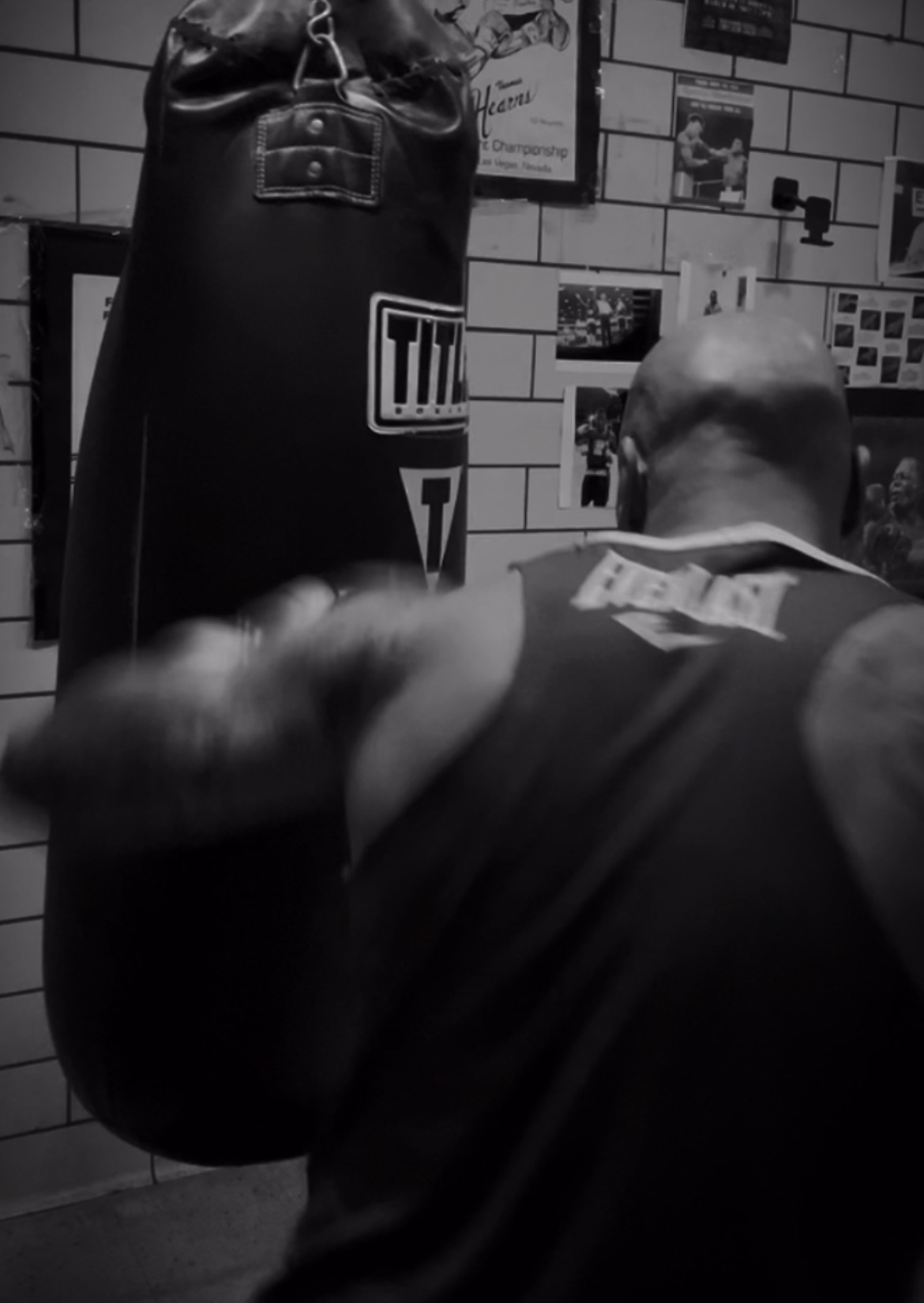
Endurance and Impact:
Conditioning. You have to be in tiptop superior conditioning to be able to perform to your maximum potential. When you’re in superior conditioning, your body is able to perform maximum efficiency, reaction time, Minet, and mental sharpness. Do you wanna be able to strategically move from one tactic to the other. If you are able to fight in the pocket and not get cracked, so big. But if you getting hit with heavy shots, you wanna move to a different tactic, such as movement in and out and angles. But to do this, you have to be in supreme conditioning. – Coach Scott Neal
Expanding Coach Scott Neal’s Conditioning Philosophy in Boxing
Coach Scott Neal emphasizes that superior conditioning is the foundation for peak boxing performance. Here’s an expanded interpretation of his ideas, broken down into practical components, why they matter, and how to train them.
1. The Core Idea: Conditioning Enables Tactical Flexibility
Conditioned body, conditioned mind.** When your aerobic base, anaerobic capacity, and muscular endurance are prime, you gain:
Faster recovery between exchanges
Sharper perception of cues (timing, distance, opponent patterns)
Quicker decision-making under fatigue
Strategic adaptability.** With elite conditioning, you can:
Stay in the pocket to apply pressure or land power shots
Explode into movement to avoid punishment when hurt
Seamlessly shift between offense, defense, and counterpunching
Maintain high intensity without a severe drop in technique
The overarching message: conditioning is not just about lasting longer; it’s about enabling you to execute a broader tactical toolbox under stress.
2. Tactical Implications of Superior Conditioning
In the Pocket (Mid-Range Brawling Zone)
Benefits:**
Consistent output of punches
Ability to press, hold the center, and impose weight on the opponent
Sustained defense (framing, guard, head movement) while punching
Requirements:**
High grip on pace control and breathing
Efficient footwork to maintain angle while compact
Core and shoulder endurance to absorb and deliver while staying balanced
When You’re Hurting: Move to Movement, Angles, and Distance
Benefits:**
Reduces the probability of taking clean shots
Creates openings for counterattack
Forces the opponent to chase, increasing their energy expenditure
Requirements:**
Explosive acceleration for in-and-out bursts
Lateral movement and angle creation (pivoting, step-around)
Breath management to prevent panic and maintain rhythm
Mental Sharpness Under Fatigue
Benefits:**
Clearer game plan when physical resources are taxed
Faster recognition of opponent adjustments
Better prioritization of safe defenses and high-percentage counters
Requirements:**
Sleep, nutrition, and hydration as performance inputs
Habitual decision drills (scenarios) to train recognition under fatigue
Mindfulness or breathing routines to manage stress in rounds
3. A Practical Training Framework
A. Conditioning Modalities
Aerobic base:** Long runs, tempo runs, cycling, swimming (2–3 sessions/week)
Anaerobic capacity:** HIIT circuits, sprint intervals, fight-sprint emulation (1–2 sessions/week)
Muscular endurance:** Circuit training with low-to-moderate loads, high reps, boxing-specific movements
Explosive power:** Plyometrics, resistance band work, medicine ball throws (2 sessions/week)
Sport-specific timing:** Shadowboxing with variable pace, heavy bag rounds with focus on rhythm
B. Conditioning-to-Tactics Integration
Round structure:** Alternate between “pocket pressure” rounds and “move-and-counter” rounds within a session.
Work-to-rest ratio:** Start with higher work density (e.g., 60/30 seconds on/off) and progressively reduce rest to simulate late-round fatigue.
Skill under fatigue:** Include rounds where you execute combinations, defense, and movement while fatigued (shadowboxing with light resistance, or pad work after a heavy bag.
C. Recovery and Resilience
Sleep and recovery:** Prioritize 7–9 hours, naps if needed
Nutrition:** Adequate protein, carbs around workouts, hydration
Recovery tools:** Mobility work, massage, contrast baths, stretching
Injury prevention:** Improves longevity; include shoulder and hip stability work
4. Mental Framework and Discipline
Intentional conditioning:** View conditioning as a strategic tool, not just brute force.
Rituals:** Develop pre-round routines (breathing, stance checks, light rhythm boxing) to lock in focus.
Adaptability mindset:** Train to recognize when to stay in the pocket and when to switch to movement, and practice both under fatigue.
Self-assessment:** Maintain a fight diary tracking energy levels, punch output, and tactical choices across rounds.
5. Sample Week Outline (Illustrative)
Monday:
AM: Aerobic base (45–60 min)
PM: Technique-focused pad work + light sparring (controlled)
Tuesday:
AM: Anaerobic conditioning (sprint intervals)
PM: Movement and footwork drills + bag work (emphasize angles)
Wednesday:
AM: Recovery-focused cardio + mobility
PM: Strength training (functional, boxing-specific)
Thursday:
AM: HIIT boxing circuits
PM: Sparring with tactical focus (pocket pressure vs. movement rounds)
Friday:
AM: Plyometrics + core stability
PM: Shadowboxing with fatigue simulation + breath control
Saturday:
Optional: Long match-scenario rounds
Sunday:
Rest or active recovery
6. Quick Takeaways
Superior conditioning expands your tactical playbook.
The ability to stay strong in the pocket and to slip into movement when hurt is a function of how well you train endurance, power, and recovery.
Conditioning should be integrated with technique, strategy, and mental training—not treated as a separate silo.
A deliberate weekly plan that alternates between pressure-focused and movement-focused conditioning helps you stay versatile in the ring.
Leave a Reply